
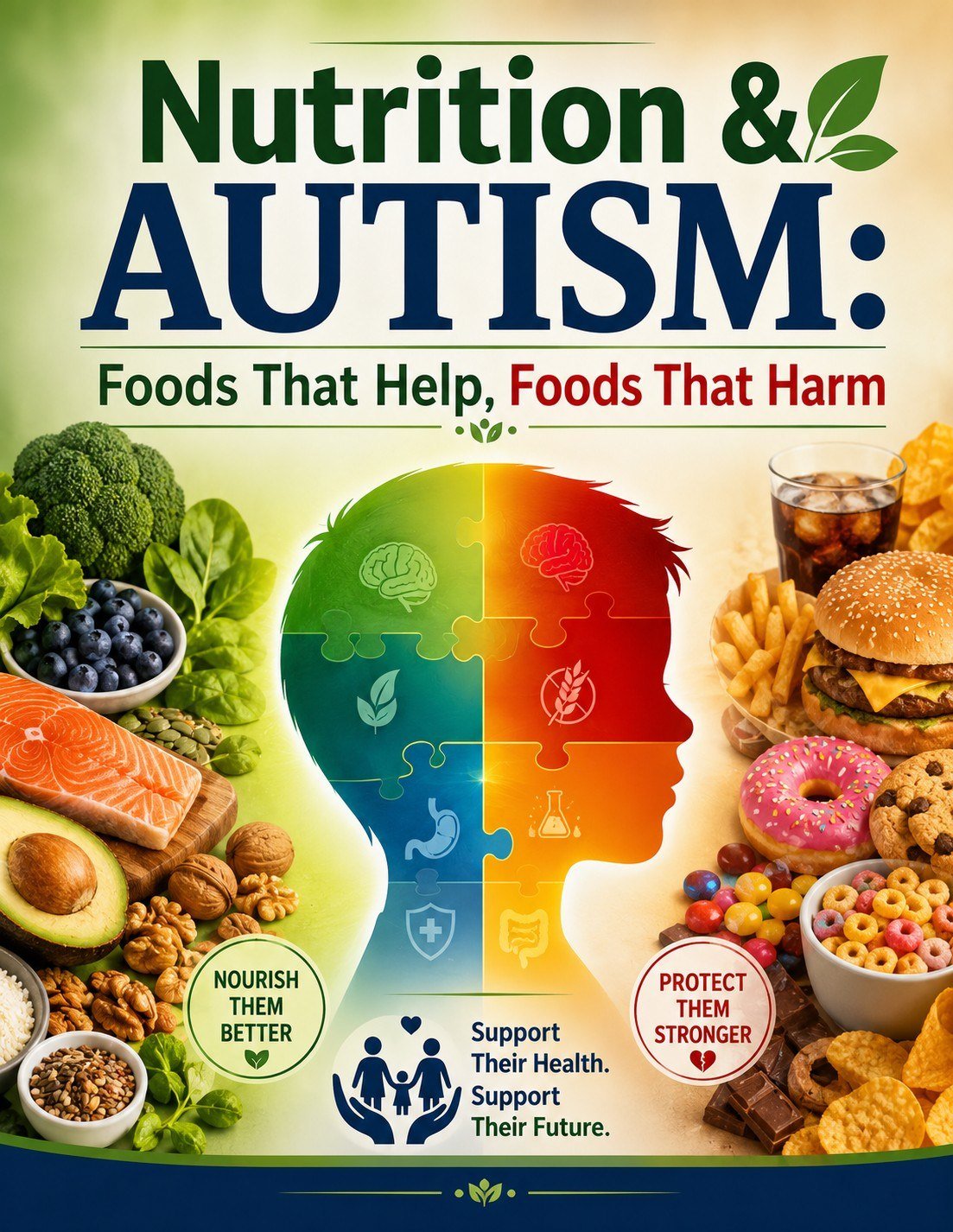
Nutrition & Autism
₹999.00
A practical parent guide to picky eating, food selectivity, sensory-based food refusal, balanced nutrition, gut health, supplements, special diets, and less stressful mealtimes. Make more informed food decisions without unsupported cure claims or unsafe dietary experimentation.
Author: PsyForU Editorial Collective
Series: The Complete Parent Survival Bundle: Raising a Child with Autism, Book 5
Publisher: Educators Plus
Imprint: BOOKSKART WORLD
Publication Year: 2025
ISBN: 978-81-994064-6-9
DOI: 10.67522/bkw.0021
Pages: 527
Language: English
Edition: First Edition
Format: Downloadable Digital E-Book
Rights: All Rights Reserved
Important Notice: This publication does not provide medical or diet-prescription advice. Consult a qualified paediatrician, registered dietitian, clinical nutritionist, feeding therapist, or relevant healthcare professional before introducing supplements, eliminating major food groups, changing medication, or beginning a specialised diet.
Description
This book provides a practical, parent-friendly guide to nutrition and autism. It is designed to help parents, caregivers, and educators understand how food choices, eating patterns, gut health, nutrient intake, sensory preferences, food sensitivities, and mealtime routines may influence the health and daily functioning of children on the autism spectrum.
The guide explains common nutrition challenges in autism, including food selectivity, picky eating, limited food variety, low intake of fruits and vegetables, reduced calcium and protein intake, preference for high-carbohydrate foods, sensory-based food refusal, gastrointestinal discomfort, and possible nutrient deficiencies. It also explores the gut-brain connection, microbiome differences, gut inflammation, food sensitivities, and the importance of professional assessment before making major dietary changes.
The book discusses foods that may support brain and body health, foods that may need to be limited, special diets such as gluten-free and casein-free approaches, nutritional supplements, balanced meal planning, and long-term healthy habits. It emphasises that nutrition should be used as a supportive component of family wellbeing and healthcare planning, not as a cure for autism.
As Book 5 of The Complete Parent Survival Bundle: Raising a Child with Autism, this volume builds on earlier books focused on autism understanding, routines, communication, and positive parenting by addressing the practical role of food, health, behaviour, and family mealtimes. It provides parents with structured guidance for making informed, safe, and sustainable food choices.
The book is intended for informational and educational purposes only. It does not replace medical, nutritional, therapeutic, diagnostic, or professional advice. Parents and caregivers should consult qualified healthcare professionals, including paediatricians, dietitians, clinical nutritionists, feeding therapists, or other relevant professionals, before implementing dietary changes, supplements, elimination diets, gluten-free/casein-free plans, or other nutrition-related interventions.


Reviews
There are no reviews yet.